

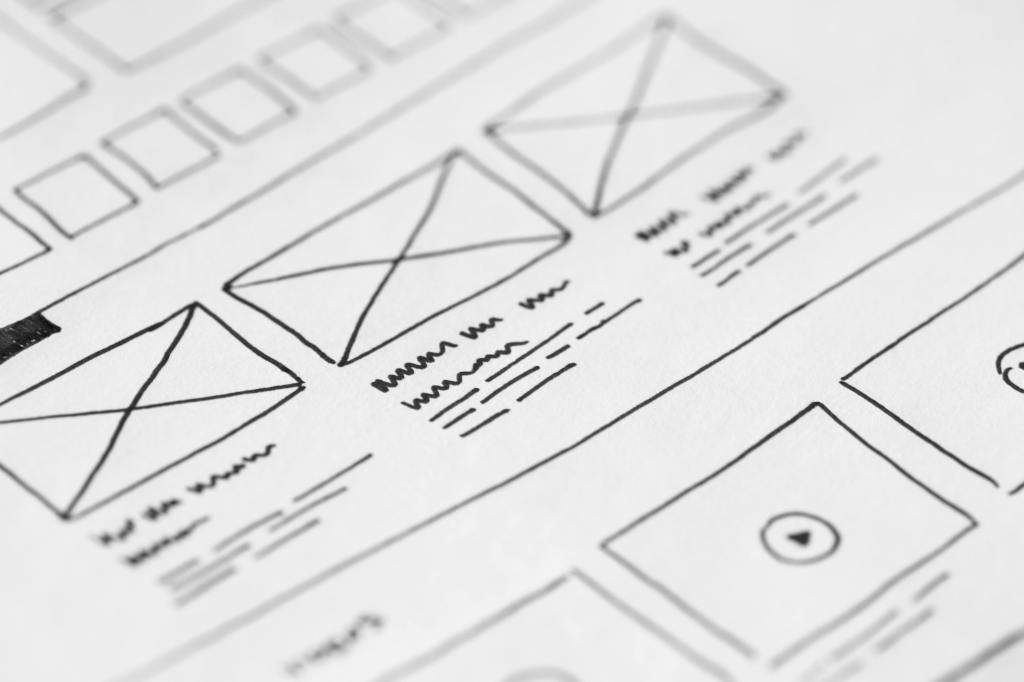
A great website is just the start to a successful business. Imagine you walk into a store with everything scattered all over the floor and nothing is organized by category. You are left sorting and sifting through everything to find what you need. This can be very frustrating for your customers. A poorly designed website can feel like this and leave users navigating away from your site and choosing your competitors. That is why a good website structure is crucial for a successful business. I have laid out a list of five key elements to include in your website.
Organization
Organization is the main element that you can take away. Your web design should be structured in a way that is easy to understand. Group sections together to make it easy to navigate. Separate your webpage into different pages according to what is relevant and use subheadings to help clear up navigation. This will also include a responsive footer. This should include a summary of your business including navigation, social media, and contact information.
Clear and Intuitive Navigation
A straightforward, user-friendly navigation menu is vital. This should be placed in a consistent location; most are found at the top. This should include pages such as, Home, About, Services, Contact, and Blog. Organize content in a hierarchal manner with main categories and then by subcategories. This will make it easy for users to understand the site’s structure and navigate to sections quickly.
Mobile Friendly
This is something that often gets forgotten. But more people will often access your website on a mobile devise. Your website should be responsive to different screen sizes. Mobile users often expect pages to load quickly. Make sure that everything still loads quickly and is easy to read no matter what screen they view your webpage at.
Clear Calls to Action (CTAs)
Every page should have a clear and visible call to action. This can be anything such as “Contact Us,” “Get Started,” “Buy Now,” or “Learn More.” These CTAs guide users toward the next step in their journey and should be placed strategically throughout the site. CTAs should stand out by using contrasting colors, buttons, or other design elements, ensuring they are easily noticeable without overwhelming the user.
SEO-Friendly Structure
Use clean, descriptive, and easy to read URLs that reflect the content of the page (ex. /services/web-design rather than /page1). This helps with both usability and SEO. Each page should have optimized content with relevant keywords, meta tags, alt text for images, and proper heading tags (H1,H2, etc.) to improve search engine rankings. While this may seem like an overwhelming step it is crucial and can help make sure your website is being viewed and noticed.
A good website structure enhances user experience, improves SEO, and drives conversations. It makes you seem like a credible resource and increases traffic to your page. If you follow these five simple steps this can be a great starting point to increase traffic to your business and provide an audience that will really start to take you seriously.
Contact me today to schedule a consultation so we can help improve your website.
 hailizdesigns.com